This is a blog site for Islington teachers on the BFI Year 3&4 film and literacy project, running from June 2019 to June 2020. We’re going to use the site to collect evidence of any progress in children’s literacy throughout the project, to share practice and examples of great teaching ideas, to update everyone about BFI’s work with primary schools and primary aged children, and to share links and news of any other interesting projects, events, or programmes.
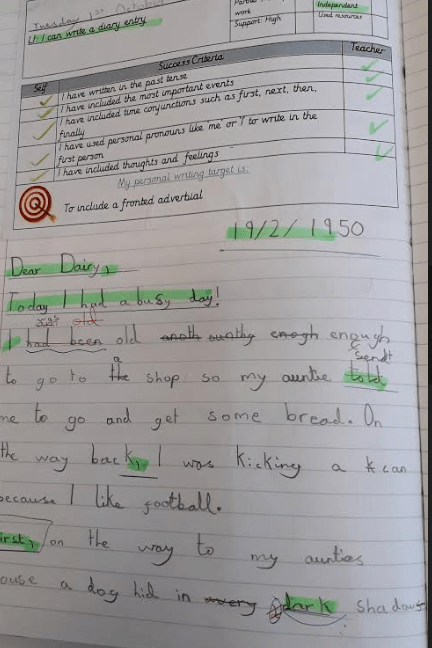
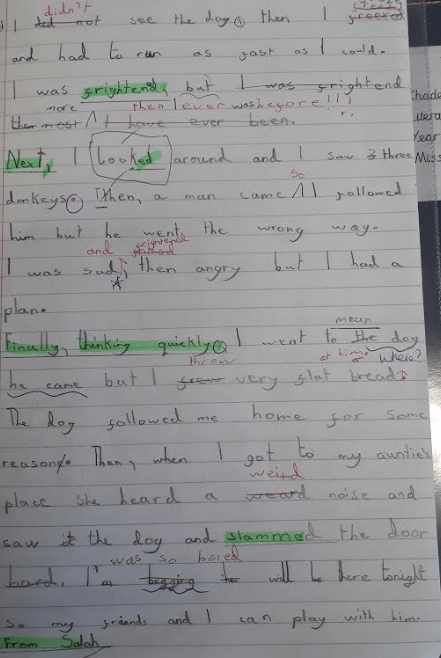
At Pooles Park Primary School we have 3 classes which are mixed Yr3/4. We chose to do this project as our first writing outcome of the year back in September 2019. This was a three week unit which culminated in a diary entry.
Week 1: this included using inference, making predictions and discussing.
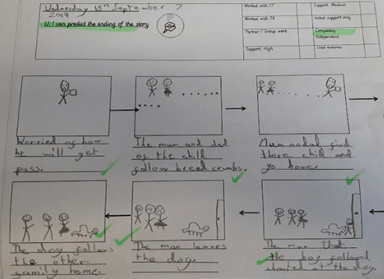
We started the unit by asking the children to close their eyes and listen to the backing track, using this to predict the setting and story. The children then watched half of the film, and predicted its ending, drawing on their own experiences to do this. We then fully watched the film and the children compared the similarities and differences between this and their predictions. We also had some really interesting discussions about pets in different cultures, as the children compared their attitudes towards dogs in the countries where their families originated compared to the UK.
Week 2: this included planning to write, revising grammar and using P4C to extend ideas.
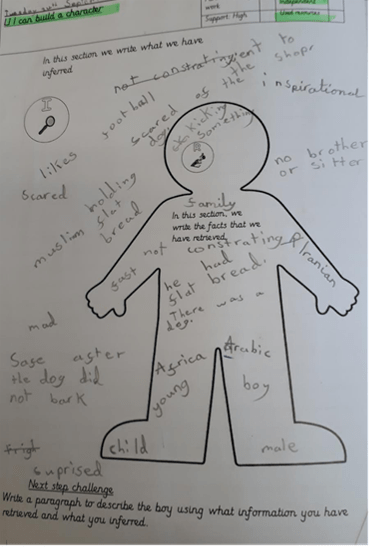
We had a great Philosophy for Kids discussion with our respective classes. Across the years we discussed key themes such as resilience, generosity, sharing, conquering our fears, things that people might be scared off and animal rights. We also looked into comparing what we could retrieve about the boy, and what we could infer about the boy from his actions and from the setting of the film
Week 3: this included writing, editing and performing.
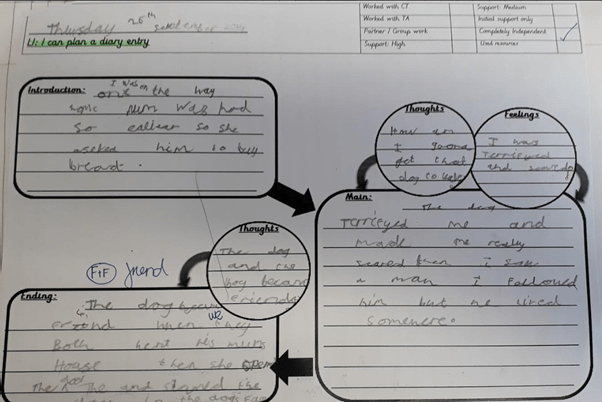
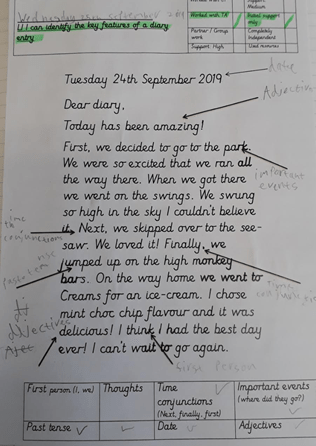
Our final piece of writing was a diary entry written from the boy’s perspective. We focused on including as many thoughts and feelings as possible, and including powerful adjectives.
Overall, we really enjoyed this unit. The children were immediately hooked and it was great to use a film which was so different to the films they are used to. We also found it incredibly accessible; this was particularly important as we have such a range of age in our classes. We also have large amount of children who speak little English, and it was great to the see these children able to access the unit in the same way as the rest of the class.
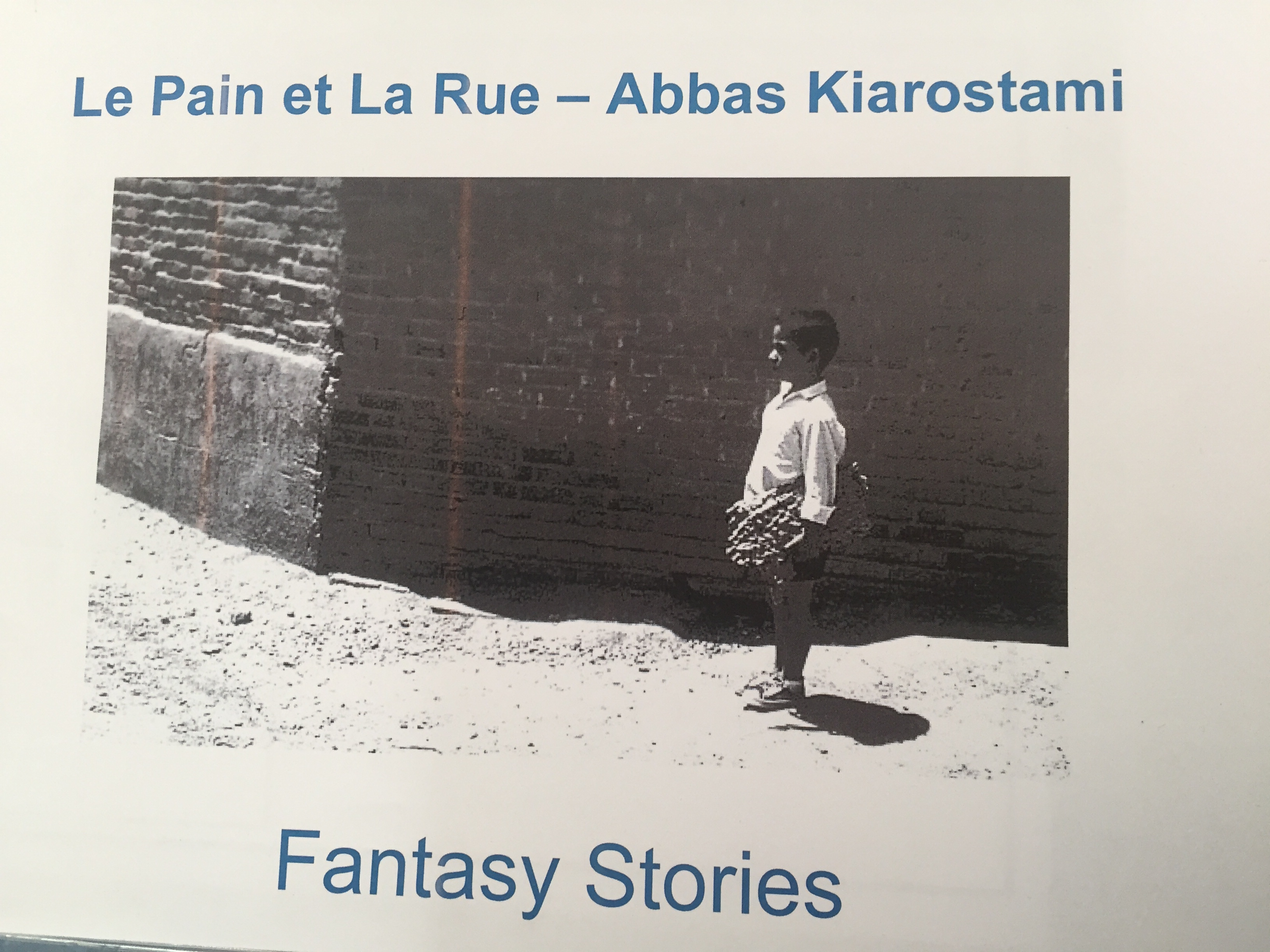
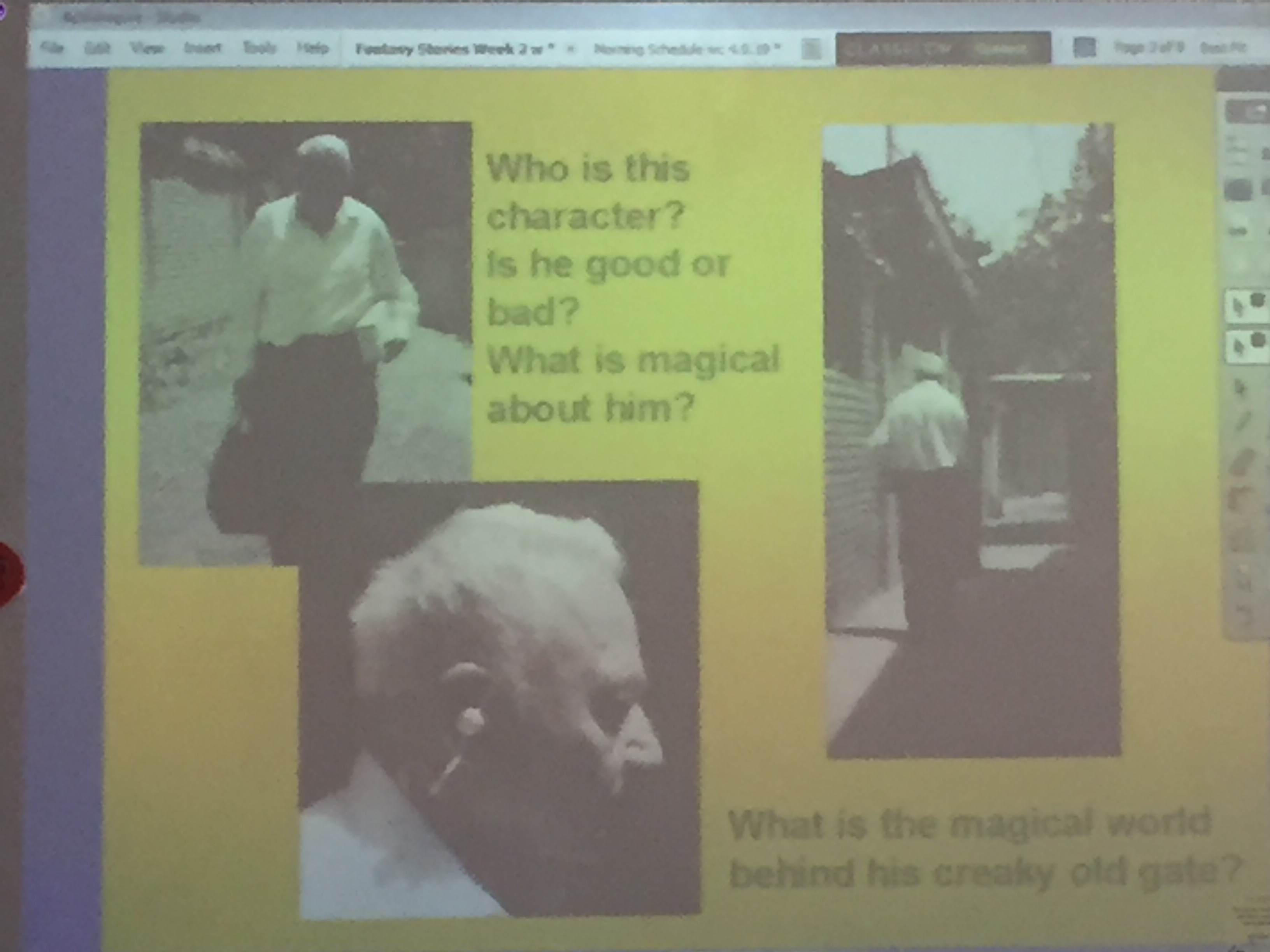
I went to visit Tamzin Barford and her Year 4 class at Prior Weston, half-way through their two-week unit on Fantasy Stories. The lesson focus was planning a fantasy story that ‘grows out of’ Le Pain et la Rue: from the point where the old man turns off the main street, and goes to his house, the children were creating an alternative story space, where the boy follows the man, and goes through his door – which has become a ‘portal’ a la Narnia..
In the five lessons in the week before, the children had listened to the opening soundtrack and written a story opening; watched the film to the same point, and talked through puzzles, surprises and predictions; watched the film to the end and discussed their likes, dislikes, and any patterns they could see. The children really engaged with the film, telling me the things they liked about it. Tamzin said they had a lot to say during the viewing lessons. Even though the lesson sequence is about fantasy stories, the children are clear that Le Pain et la Rue is a ‘realistic’ story, not a fantasy, and they seem engaged by the chance to imagine a fantastic story embedded within it.
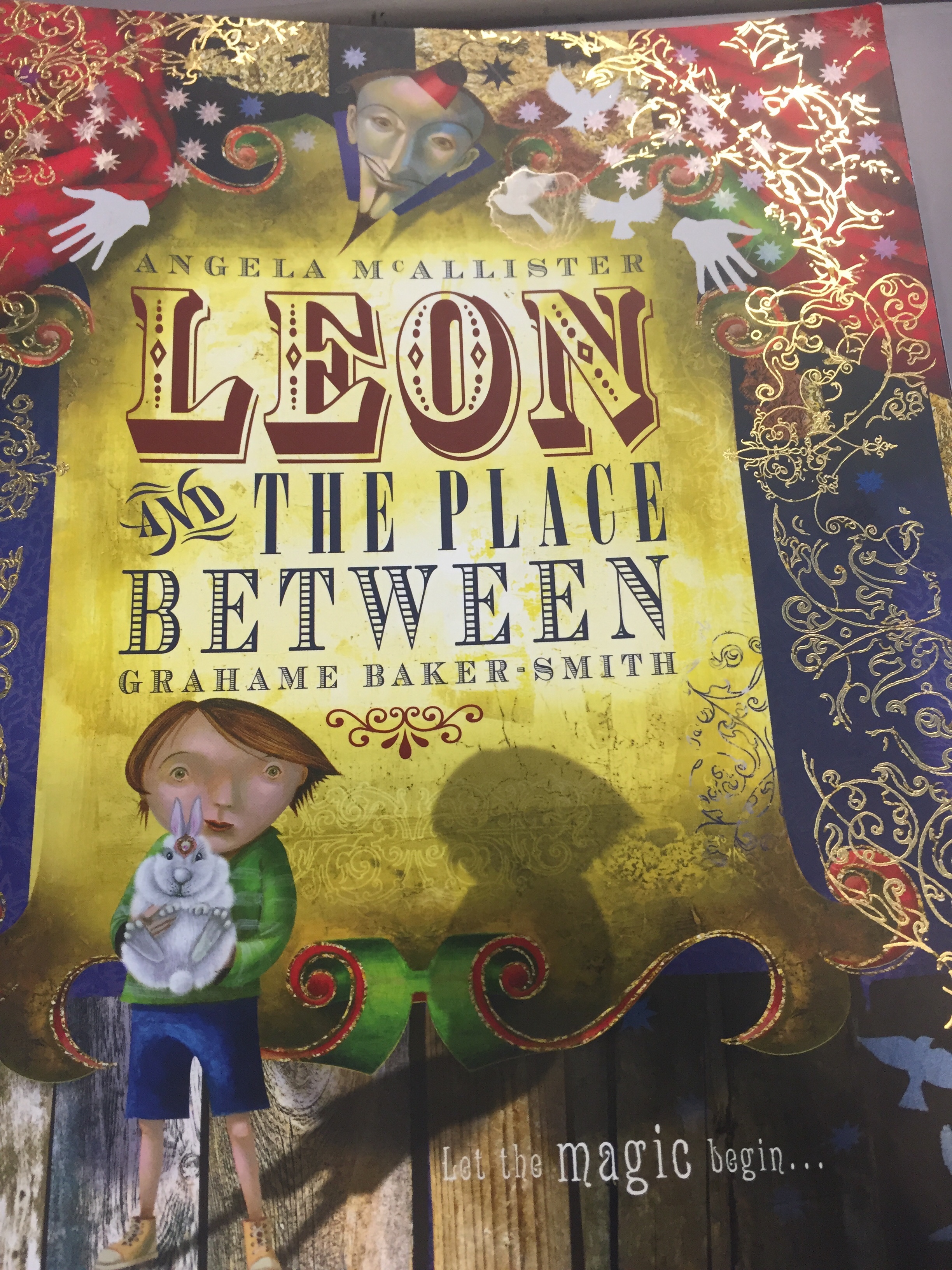
The task is closely connected to other literary texts: Narnia, Harry Potter, and Philip Pullman are regularly name checked. Tamzin has given a specific link to Leon and the Space Between, which as a picture book is both more accessible, and closer in form to film.
The class is very diverse, as one would expect. Many of the children recognise Arabic script, and were surprised to see it on a film. They learned who made the film, and where it was set. They were happy to say the name of the film in French, as well as its English translation.
The first part of the lesson I saw focused on the character of the old man: is he a good or a bad character? Albie said ‘he’s bad, because when he walks down the street, the dog stops barking’. Cary said ‘he’s bad, because his EarPods mean he’s taking to his leader.’ Because they were being asked to re-imagine him as a character in a different genre, they could still tell me that in the real film he was probably good, or as Tisha said ‘he’s not good or bad, just ordinary.’
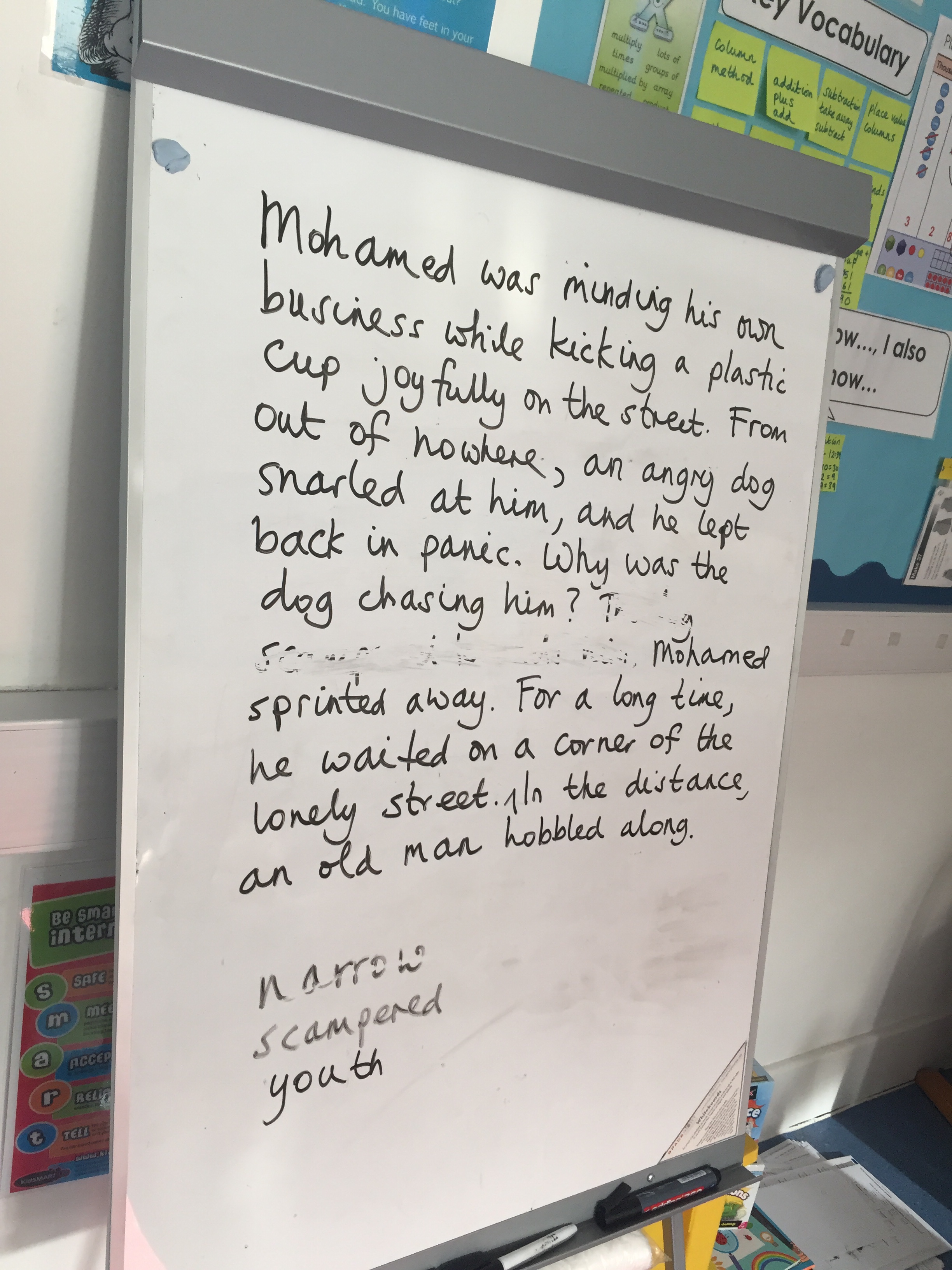
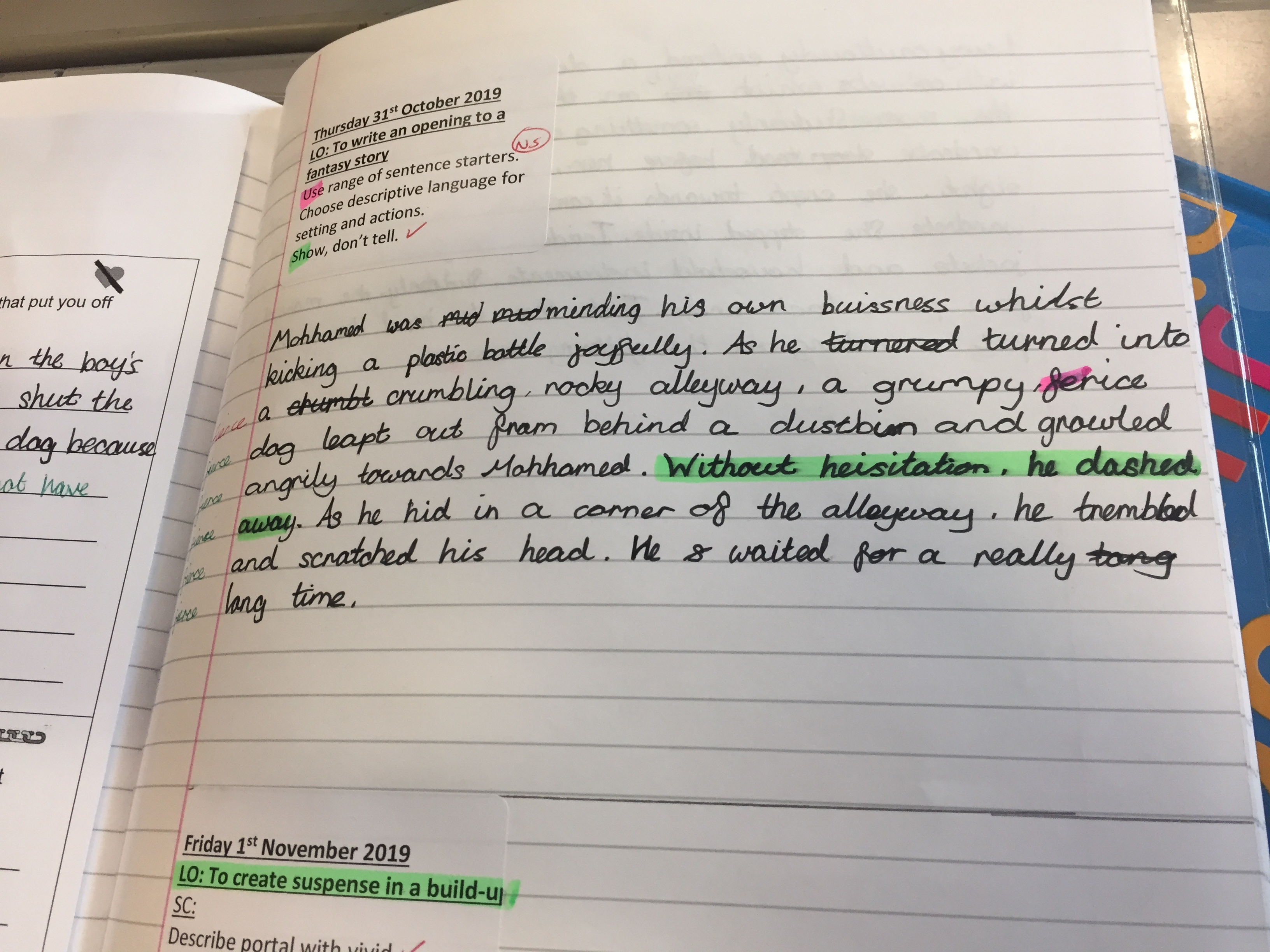
The children had previously written story openings based upon he opening soundtrack, modified after they watched the images that went with it. Tamzin modelled the opening for them too.




 Screening Learning